Product Sourcing & Research

9 Best Dropshipping Suppliers in China (2026 Compared)

Compare nine China supplier and fulfillment options by business model, branding, quality control, integrations, and fit—with official sources verified in August 2026.

Updated August 4, 2026 20 min read
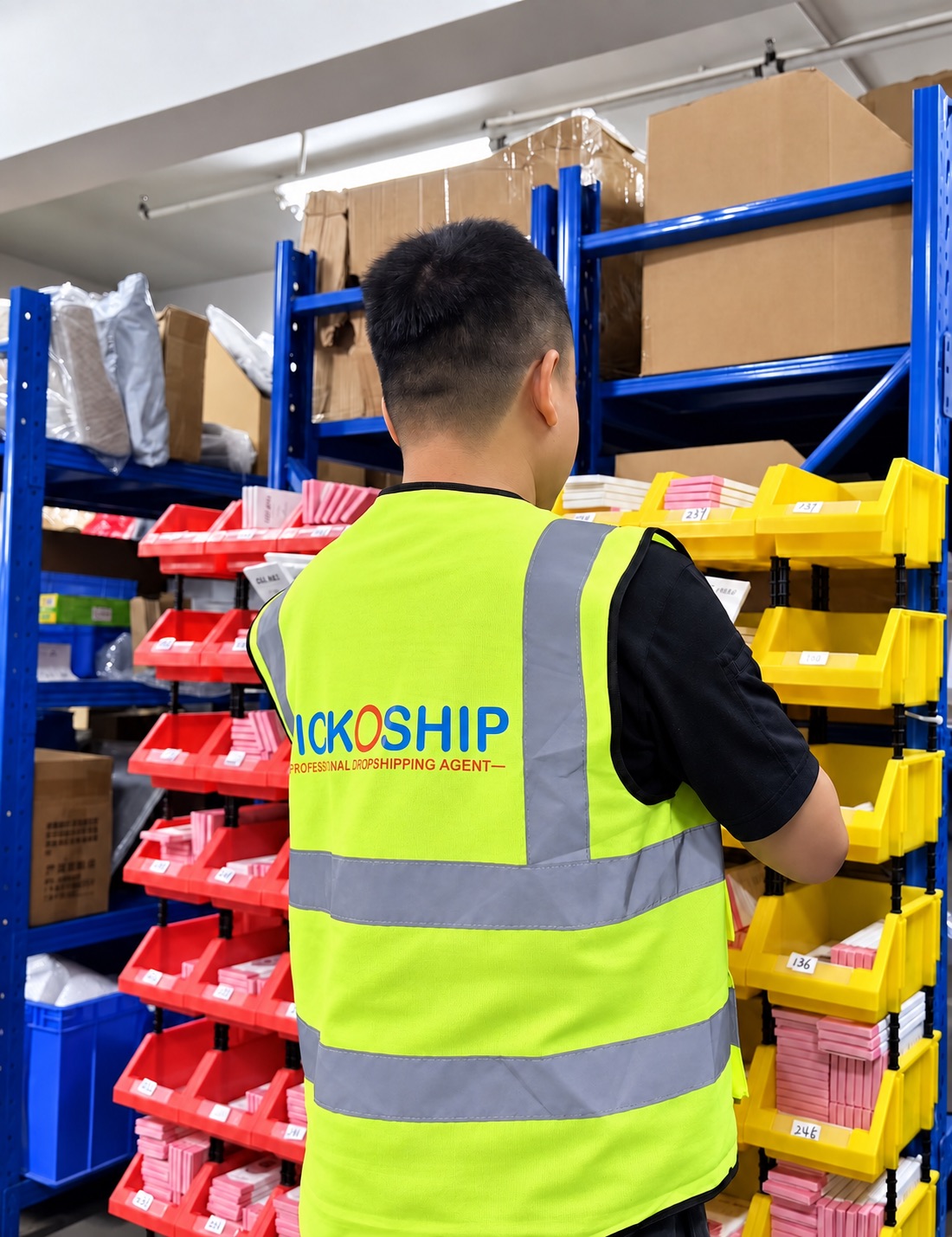
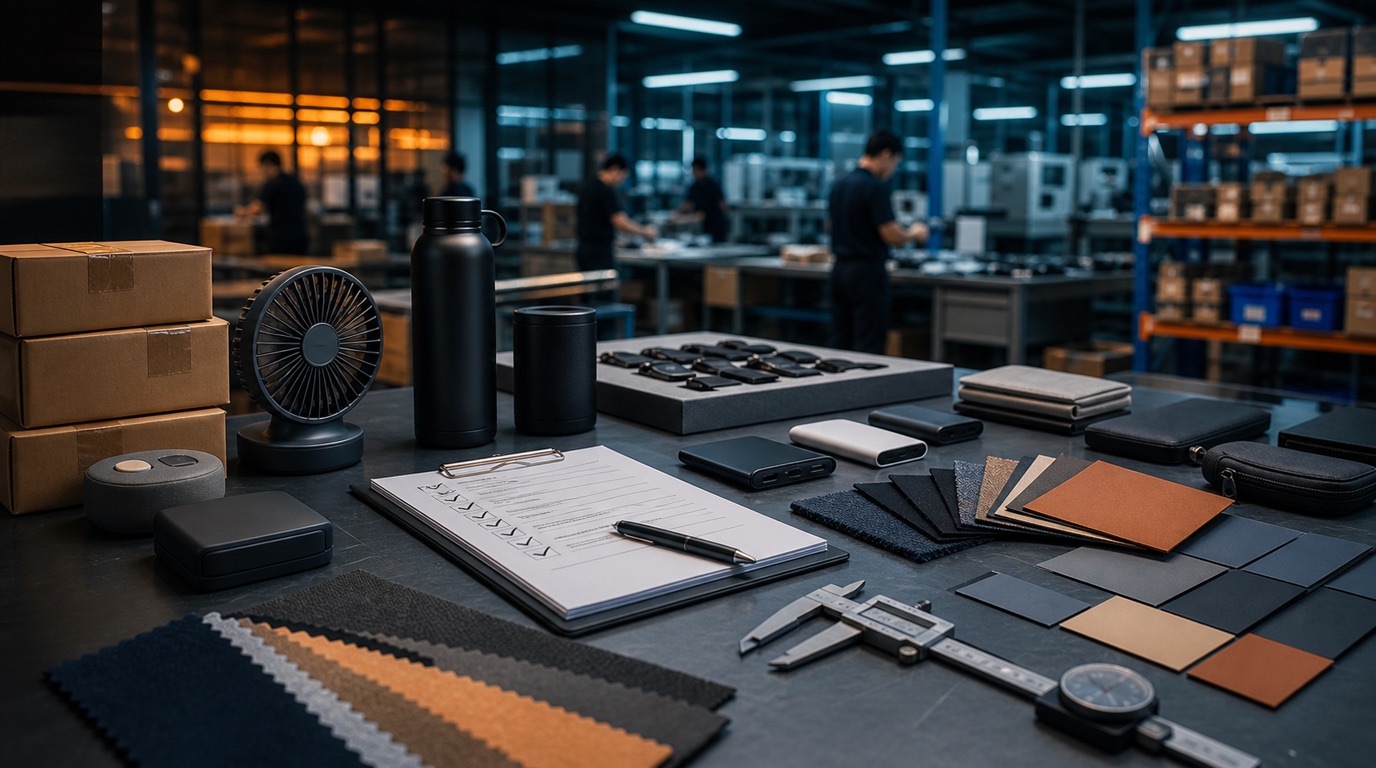
Product samples and cartons arranged for supplier sourcing and quality checks
On this page16 sections

Last verified: August 4, 2026. Provider capabilities can change; confirm the exact product, lane, and service scope before committing.

The 9 Best Dropshipping Suppliers in China — 30-Second Answer

There is no universal best supplier. For low-risk catalog testing, start with AliExpress or Banggood. For integrated sourcing and fulfillment, compare CJdropshipping and EPROLO. For a factory-made product held in one China inventory pool with quality control, branded packaging, and order-by-order global fulfillment, evaluate PICKOSHIP. DHgate is closer to small wholesale, while Jingsourcing and Global Sources are better suited to factory sourcing than automated dropshipping. LightInTheBox is a retailer, not a dedicated dropshipping platform, so treat it as a catalog source rather than an end-to-end solution.

  1. AliExpress — broad catalog and low-commitment product testing.
  2. CJdropshipping — integrated catalog sourcing and order fulfillment.
  3. PICKOSHIP — factory sourcing, QC, branding, and one-China-warehouse fulfillment for DTC brands.
  4. Banggood — formal dropship program with strength in gadgets and electronics.
  5. DHgate — marketplace-led small wholesale and supplier discovery.
  6. LightInTheBox — global retail catalog, but not a dedicated dropshipping program.
  7. Jingsourcing — sourcing-agent support for custom and bulk manufacturing.
  8. Global Sources — verified-supplier discovery and trade-show sourcing.
  9. EPROLO — integrated sourcing, store connections, branding, and fulfillment.

China Dropshipping Suppliers at a Glance

Option Business model Best fit Important limitation Official information
AliExpress Multi-seller marketplace Testing catalog products with low commitment Quality, branding, and delivery depend on the seller and route DSers integration page
CJdropshipping Sourcing and fulfillment platform Store-connected catalog sourcing and fulfillment Verify SKU-level QC, branding, inventory, and destination SLA CJdropshipping
PICKOSHIP DTC sourcing and fulfillment partner Factory-made products, QC, branding, and one China inventory pool Requires a scoped product, packaging, and lane review; not a public click-to-buy catalog PICKOSHIP fulfillment
Banggood Retailer with a dropship program Gadgets, electronics, and a formal order-forwarding workflow Customization and service scope should be confirmed per product Banggood dropship program
DHgate B2B/B2C marketplace Supplier discovery and small wholesale orders Seller-level capabilities vary; it is not a managed end-to-end 3PL DHgate
LightInTheBox Global online retailer Fashion and lifestyle catalog research No dedicated dropshipping program was identified on the official site LightInTheBox
Jingsourcing China sourcing agent Custom product development and factory management Not a catalog-first automated dropshipping platform Jingsourcing
Global Sources B2B supplier directory and trade shows Finding manufacturers and meeting suppliers Buyers negotiate production and fulfillment separately Global Sources
EPROLO Sourcing, branding, and fulfillment platform Store-connected fulfillment with optional branding Verify product-level fees, branding scope, inventory, and route promise EPROLO


1. Why China? The Supplier Landscape for DTC Dropshipping

China makes roughly 28% of everything manufactured on earth. That’s not a marketing line — it’s why your phone charger, your dog’s toy, and probably your water bottle all have the same origin stamp. For anyone selling online, it means variety, pricing, and a depth of supply chain that no other country can match.

But here’s the catch most DTC brand builders run into: most Chinese suppliers aren’t designed to help you build a brand. They’re optimized for volume — commodity resellers, marketplace sellers, anyone moving units cheap and fast. If you care about product quality, branded packaging, custom design, and a proper customer experience, the default options start looking pretty thin.

So the agent pulled together the 9 names sellers ask about most often, each with a different model, different strengths, different rough edges. By the end, you’ll have a clear read on which type of partner actually fits what you’re trying to build.

One thing to get out of the way: the cheapest supplier is almost never the right one for building a DTC brand. The right partner should help you control quality, design packaging, protect your brand image, and ship fast. Per-unit price is the last thing on the list, not the first.

2. AliExpress — The Beginner’s Gateway


AliExpress official marketplace homepage showing product listings and an AliExpress Business section, captured August 4, 2026
Website evidenceAliExpress official marketplace homepageShows the official marketplace interface, product listings, and visible AliExpress Business section at capture time. Prices, promotions, warehouse counts, and service claims are time-sensitive and platform-reported; it does not verify individual seller quality, inventory, or delivery performance.Source: AliExpress official website · Captured August 4, 2026
1

AliExpress

B2C Marketplace

AliExpress belongs to Alibaba Group, and for most new dropshippers it’s the first doorway they walk through. It’s a retail-facing marketplace — Chinese sellers list cheap products, and dropshippers resell them to shoppers in other countries.

How it works: you browse the catalog, list the products on your own store (Shopify, WooCommerce, whatever), and when an order comes in you buy the item from AliExpress and have it shipped to the end customer. Tools like DSers and AutoDS automate the forwarding part so you’re not copy-pasting addresses.

Pros

  • Massive product catalog (100M+ products)
  • No minimum order quantity — buy one at a time
  • Buyer protection program
  • Free to get started, no membership fees
  • Extensive integration with dropshipping tools

Cons

  • Shipping times: 15–45 days (ePacket/China Post)
  • Inconsistent product quality across sellers
  • No branded packaging or private labeling
  • No quality control before shipment
  • Your competitors sell the exact same products
  • Poor customer support for disputes

Best for: total beginners who want to test the model without putting real money on the line. Not the place to start if you’re serious about building a differentiated DTC brand.

3. CJdropshipping — The All-in-One Dropshipping Platform

CJdropshipping official homepage presenting its all-in-one dropshipping service, captured August 4, 2026
Website evidenceCJdropshipping official homepageShows the provider-stated all-in-one positioning and visible service entry points at capture time. It does not independently prove SKU quality or route-level delivery performance.Source: CJdropshipping official website · Captured August 4, 2026
2

CJdropshipping

Dropshipping Platform

CJdropshipping pitches itself as an end-to-end dropshipping solution, and in practice it’s closer to that than AliExpress is. Where AliExpress is a marketplace, CJ is a sourcing and fulfillment operation — they source from Chinese factories, warehouse the goods themselves, and ship on the seller’s behalf.

How it works: connect your Shopify or WooCommerce store, browse or request products, and orders sync automatically. CJ handles sourcing, storage, and fulfillment. They also dabble in print-on-demand, product photography, and video — useful extras if you’re a one-person operation.

Pros

  • Faster shipping than AliExpress (7–15 days)
  • Product sourcing requests accepted
  • Multiple overseas warehouses (US, EU, etc.)
  • Free to use (no subscription fee)
  • Basic private labeling available
  • Auto-fulfillment integration

Cons

  • Quality control is inconsistent at scale
  • Packaging customization is limited
  • High competition — many sellers use the same products
  • Customer service can be slow
  • Less focus on brand building
  • Limited design and product development support

Best for: sellers ready to graduate from AliExpress who want faster shipping and integrated fulfillment but aren’t yet deep into custom branding.

4. PICKOSHIP — The DTC Brand-Building Partner

PICKOSHIP homepage showing its source inspect store pack ship workflow, captured August 4, 2026
Website evidencePICKOSHIP official homepageShows PICKOSHIP's first-party workflow and service positioning at capture time. Performance figures and route promises still require a written quote and pilot-order validation.Source: PICKOSHIP official website · First-party evidence · Captured August 4, 2026

Best for: DTC brand builders who take quality, design, packaging, and long-term brand equity seriously. Ideal for sellers ready to go past basic dropshipping and put something differentiated in front of global customers — powered by PICKOSHIP’s Future Supply Chain.

Ready to Build a Real DTC Brand?

PICKOSHIP’s Future Supply Chain gets a branded eCommerce store launched fast, without the usual upfront capital or quality gamble.

Talk to PICKOSHIP

5. Banggood — The Electronics & Gadgets Specialist

Banggood official Dropship Program page showing its Shopify API tool, captured August 4, 2026
Website evidenceBanggood Dropship Program pageShows that Banggood publicly presents a dropship program and Shopify API tool at capture time. It does not prove current product availability or destination-specific delivery times.Source: Banggood official Dropship Program · Captured August 4, 2026
4

Banggood

B2C Marketplace

Banggood is a Chinese online retailer leaning heavily into consumer electronics, gadgets, tools, and some clothing. It’s not a marketplace in the AliExpress sense — it’s more of a managed retail operation. Banggood buys inventory and sells it under its own platform.

How it works: they stock products in their own warehouses (including facilities in the US, EU, Australia, and Hong Kong) and run a dropshipping program where sellers can list Banggood products and forward orders. Data feeds and basic API integration are available.

Pros

  • Strong in electronics, tools, and gadgets
  • Multiple overseas warehouses for faster shipping
  • More curated product selection than AliExpress
  • Dedicated dropshipping program with product feeds
  • Competitive pricing on electronics

Cons

  • Limited product categories (mostly electronics/gadgets)
  • No private label or branded packaging
  • No quality control for dropshippers
  • Your store looks like a Banggood reseller
  • Margins can be thin on electronics
  • Not suitable for DTC brand differentiation

Best for: sellers focused on electronics and gadgets who want faster shipping out of overseas warehouses. Not where you go if you want a brand with custom products.

6. DHgate.com — The Wholesale Marketplace


DHgate official marketplace homepage showing product categories, buyer protection, worldwide delivery, and customer service panels, captured August 4, 2026
Website evidenceDHgate official marketplace homepageShows the official marketplace interface, product categories, and visible buyer-protection, worldwide-delivery, customer-service, and payment surfaces at capture time. Promotions and platform claims are time-sensitive and self-reported; it does not verify individual seller quality or fulfillment performance.Source: DHgate official website · Captured August 4, 2026
5

DHgate.com

B2B/B2C Wholesale Marketplace

DHgate (short for Dunhuang Gate) is one of China’s larger B2B cross-border platforms. It sits between Alibaba (pure B2B) and AliExpress (pure B2C), connecting Chinese wholesalers to international buyers with small wholesale MOQs — usually 2 to 50 pieces per SKU.

How it works: sellers browse wholesale listings, buy in small batches, then either stock the goods or have the supplier ship direct to customers. There’s a dropshipping-friendly mode, but the platform is really built for small wholesale orders.

Pros

  • Lower per-unit prices than AliExpress (wholesale pricing)
  • Wide product range across many categories
  • Buyer protection and escrow payment
  • Supports small-batch wholesale (2–50 units)
  • Good for testing products before bulk orders

Cons

  • Slow shipping (15–30 days on average)
  • Highly variable seller quality
  • No fulfillment or automation tools
  • No branded packaging or private label support
  • Reputation for counterfeit product risk
  • Not designed for DTC brand operations

Best for: sellers chasing lower per-unit costs who are fine doing their own QC and shipping logistics. More of a small-wholesale play than true dropshipping.

7. LightInTheBox — The Fashion & Lifestyle Supplier

LightInTheBox official homepage showing its fashion and lifestyle retail catalog, captured August 4, 2026
Website evidenceLightInTheBox official homepageShows a retail catalog spanning fashion and lifestyle categories at capture time. It does not establish a managed dropshipping, QC, or branding service.Source: LightInTheBox official website · Captured August 4, 2026
6

LightInTheBox

B2C Retail Platform

LightInTheBox is a NYSE-listed Chinese online retailer, mostly fashion, apparel, home & garden, and some electronics. Similar to Banggood in structure — a direct retailer, not a multi-seller marketplace, running its own supply chain and QC processes.

How it works: LightInTheBox buys from Chinese manufacturers, holds the inventory, and sells direct to global consumers. Some dropshippers source fashion and lifestyle products from the platform, but there’s no formal dropshipping program wrapped around it.

Pros

  • Strong in fashion, apparel, and wedding/event products
  • NYSE-listed — more corporate credibility
  • Managed supply chain with quality processes
  • Ships to 200+ countries
  • Regular sales and promotions

Cons

  • No official dropshipping program or API
  • Retail pricing (not wholesale)
  • No private label or packaging customization
  • Shipping times can be 10–25 days
  • Limited product data feeds for automation
  • Sizing inconsistencies on apparel

Best for: fashion and lifestyle sellers who want a curated catalog. Not a real option for DTC brand builders because it doesn’t offer the customization or dropshipping tooling you’d need.

8. Jingsourcing — The Sourcing Agent

JingSourcing official homepage presenting supplier sourcing and management services, captured August 4, 2026
Website evidenceJingSourcing official homepageShows its provider-stated China sourcing and supplier-management positioning at capture time. It does not independently prove factory quality or project outcomes.Source: JingSourcing official website · Captured August 4, 2026
7

Jingsourcing

Sourcing Agent

Jingsourcing is a Yiwu-based sourcing agent. Instead of giving you a catalog to pick from, they act as your eyes on the ground — finding factories, negotiating on your behalf, managing samples, and overseeing production.

How it works: you send them product requirements, their team identifies factories, gets quotes, manages sampling, runs QC, and handles shipping. They charge a service fee — usually a percentage of order value or a flat project rate.

Pros

  • Direct factory access for custom products
  • Best pricing through direct manufacturer negotiation
  • Supports private label and OEM/ODM production
  • Quality inspection services available
  • Good for large or custom orders

Cons

  • Not a dropshipping fulfillment provider
  • High MOQs from factories (100–1000+ units)
  • Long lead times (30–60 days for production)
  • Requires upfront investment for inventory
  • No e-commerce integration or auto-fulfillment
  • Service quality depends on individual agents

Best for: established sellers ready to commit to bulk manufacturing and private label production. Not a dropshipping service, so not helpful if you need order-by-order fulfillment.

9. Global Sources — The B2B Trade Platform

Global Sources official homepage showing its supplier search and Hong Kong trade show, captured August 4, 2026
Website evidenceGlobal Sources official homepageShows supplier-search and Hong Kong trade-show entry points at capture time. It does not prove that a listed supplier supports one-piece fulfillment.Source: Global Sources official website · Captured August 4, 2026
8

Global Sources

B2B Trade Directory

Global Sources is a Hong Kong-based B2B media and trade platform connecting international buyers to verified Asian suppliers, mostly out of China. It’s best known for its annual Hong Kong trade shows and its online supplier directory — heavy on electronics, fashion, hardware, and gift categories.

How it works: more of a directory and trade-show operator than a transactional platform. Buyers browse supplier profiles, request quotes, and negotiate directly with manufacturers. There’s no escrow or transaction layer. They also publish industry reports and buyer guides that are actually useful for market research.

Pros

  • Verified supplier profiles with audit reports
  • High-quality manufacturers (more vetted than Alibaba)
  • Strong focus on electronics and hardware
  • Annual trade shows for face-to-face meetings
  • Good for finding OEM/ODM partners

Cons

  • No dropshipping or fulfillment services
  • No eCommerce integration
  • High MOQs from most suppliers
  • No transaction protection (negotiate directly)
  • Primarily for established businesses, not startups
  • No packaging, design, or brand-building support

Best for: experienced importers hunting for vetted manufacturers for bulk sourcing. Not a dropshipping play, and not set up for DTC sellers who need end-to-end fulfillment.

10. EPROLO — The Integrated Sourcing, Branding & Fulfillment Platform

EPROLO official homepage presenting free dropshipping integration and branding, captured August 4, 2026
Website evidenceEPROLO official homepageShows EPROLO's provider-stated dropshipping integration and branding positioning at capture time. It does not independently prove product quality, inventory, or delivery performance.Source: EPROLO official website · Captured August 4, 2026
9

EPROLO

Dropshipping & Fulfillment Platform

EPROLO presents itself as a store-connected dropshipping platform covering product sourcing, inventory management, order fulfillment, global warehousing, and optional branding. Its official pages list integrations for Shopify, WooCommerce, TikTok, Etsy, Amazon, and other channels.

How it works: a merchant connects a store, sources or imports products, and routes paid orders to EPROLO for fulfillment. Branding options include labels, hangtags, packing bags, gift cards, and tape. The provider states that fashion branding can be used without a product MOQ; fees and eligibility vary by plan and catalog.

Pros

  • Store integrations and automated order flow
  • Product sourcing and fulfillment in one platform
  • Optional labels and packaging for brand presentation
  • China and overseas warehousing options advertised
  • Provider-stated 5–15 day delivery range on selected services

Cons

  • Headline delivery ranges are provider-stated and must be checked by SKU and destination
  • Branding plans and per-item customization can add cost
  • Inventory, QC scope, and warehouse availability vary by product
  • A catalog platform may offer less product-development control than a scoped factory project

Best for: merchants who want a store-connected platform with sourcing, fulfillment, and optional branding. Review the current plan, product eligibility, route-level delivery evidence, and total delivered cost before scaling.

Official information: EPROLO platform and EPROLO Branding Program; checked August 4, 2026.

11. How to Choose the Right Supplier for Your DTC Brand

There’s no one-size-fits-all “best” supplier. The right pick depends on where you are in your eCommerce journey and what you’re actually trying to build. A rough framework for deciding:

If you’re just testing ideas:

AliExpress or CJdropshipping will let you validate a product without spending much. Just know these are stepping stones. The packaging will be generic, quality will be inconsistent, and your storefront will look like a thousand other stores selling the same items.

If you’re ready to build a real DTC brand:

This is where most of the list drops off — and where PICKOSHIP starts to matter. A real DTC brand means:

  • Product quality you’d personally vouch for. Not “fingers crossed the supplier gets it right this batch.” Every order inspected before it leaves the warehouse.
  • Packaging that tells a story. Custom boxes, branded tissue, a thank-you card, branded tape — the unboxing is part of the product. Customers screenshot it.
  • Real product design support. Not just reselling what’s on a catalog page, but getting to a custom colorway, a material change, a functional tweak that makes the product yours.
  • Fast, reliable global shipping. 5–12 days to North America and Europe. Not the ePacket 30–45 day nightmare that kills repeat purchase rates.
  • A supply chain built for brands, not commodity sellers. That’s what PICKOSHIP’s Future Supply Chain model is — an operation set up so DTC sellers can launch fast, scale sensibly, and keep quality steady through all of it.

If you need bulk manufacturing:

Sourcing agents like Jingsourcing or B2B platforms like Global Sources come into play once you’re ready to commit to 500–10,000+ unit production runs. They don’t handle fulfillment, though, so you’ll need a 3PL (PICKOSHIP, for example) to warehouse and ship those units after they land.

1

Define Your Brand Vision

Are you building a real brand or just looking for quick sales? Your answer determines the type of supplier you need.

2

Evaluate Quality Standards

Does the supplier inspect products? Can they guarantee consistency? Quality problems destroy brands faster than slow shipping.

3

Check Packaging Capabilities

Can they produce custom packaging for your brand? If not, your products arrive in generic bags — indistinguishable from AliExpress.

4

Test Shipping Speed

Place test orders to your target markets. Track actual delivery times. In DTC, shipping speed directly impacts customer satisfaction and repeat purchases.

12. The Future Supply Chain: Building a Real DTC Brand with PICKOSHIP

Traditional dropshipping has one problem it can’t quite hide: it treats suppliers as interchangeable. Find a product, list it, ship it in a plain poly mailer, and hope the customer isn’t too bothered by the 30-day transit time or the unbranded packaging. That model is running out of road.

Today’s DTC shoppers expect brand experiences — fast delivery, packaging that doesn’t look like it came from a marketplace, product quality that’s actually consistent, and a brand they feel connected to. Sellers who meet that bar win. Sellers who don’t get buried by returns, 2-star reviews, and no second orders.

What is Future Supply Chain?

PICKOSHIP’s Future Supply Chain is how we describe what happens when sourcing, quality, packaging, and fulfillment are run as one workflow instead of four disconnected vendors. Specifically:

  • On-demand product sourcing: the team finds and vets factories, negotiates pricing, manages product development — so what ships is the product your brand needs, not whatever’s cheapest on a marketplace listing.
  • Quality control as default: every order inspected before it ships. Not 5% sampling, not spot checks — every order. That’s what protects your reviews and cuts return rates.
  • Custom packaging production: branded boxes, tissue, inserts, printed tape, thank-you cards. Every delivery becomes a brand moment instead of a package.
  • Product design collaboration: want to modify an existing product? Add a new colorway? Fold your logo into the mold? PICKOSHIP’s team runs that with the factories directly.
  • JIT warehousing: Just-In-Time warehousing keeps inventory lean and closer to where it’s shipping, which trims both transit time and storage costs without hitting fulfillment speed.
  • Global shipping on dedicated lanes: 5–12 day delivery to North America and Europe through established logistics partners. Not ePacket, not China Post — real tracking, real reliability.

How PICKOSHIP Powers Your Brand Growth

Supply chain is only half of what DTC brands need. The other half is actually building the brand. PICKOSHIP also helps on:

  • Brand identity creation: logo, positioning, voice — the work that defines what your brand looks and sounds like before it meets a customer.
  • Storefront design and setup: Shopify stores that convert, not just display.
  • Global market expansion: practical strategy for moving from a single market into multi-country sales across North America, Europe, Australia, and further.
  • Marketing and growth strategy: grounded, data-driven work on acquisition, retention, and LTV — the stuff that actually decides whether a brand is profitable.

The PICKOSHIP advantage: PICKOSHIP builds your supply chain and helps build your brand. That’s what gives DTC sellers everything needed to launch and scale something real — fast, low risk, and at a fraction of what traditional brand building costs. That’s what the Future Supply Chain is, and it’s why serious DTC sellers pick PICKOSHIP over generic dropshipping platforms.

Who is PICKOSHIP’s Future Supply Chain built for?

  • New DTC founders who want to launch a branded product line without sinking capital into inventory — but aren’t willing to compromise on quality or packaging either.
  • Existing eCommerce sellers who are tired of competing on price against identical AliExpress SKUs and want to differentiate on quality, design, and brand.
  • DTC brands going international who need a reliable China-based fulfillment partner that can get orders to North America and Europe quickly, with infrastructure to support multi-market growth.
  • Product creators and designers who have a product vision but need sourcing, manufacturing, and fulfillment support to get it off a sketch and into a box.

Frequently Asked Questions

What is the best dropshipping supplier in China?

The best option depends on the operating model. A marketplace can be useful for product testing; an integrated platform can automate catalog orders; a sourcing and fulfillment partner is a better fit when you need factory coordination, QC, packaging, and a single inventory pool. Compare total delivered cost, delivery percentiles, exception handling, and brand control—not the product price alone.

Are all nine companies dedicated dropshipping suppliers?

No. AliExpress, DHgate, and Global Sources are marketplace or directory models; LightInTheBox is a retailer; Jingsourcing is a sourcing agent. They appear because buyers commonly compare them when searching for China supply options, but their fulfillment responsibilities are not equivalent.

How should I verify a China supplier before scaling?

Order samples, document the approved specification, confirm who owns QC, test tracked deliveries to core markets, review packaging and returns, and get pricing, exclusions, claims handling, and service levels in writing. Use a limited pilot before moving meaningful order volume.

When does one China warehouse make sense?

It can make sense when production is in China, products are light enough for economical cross-border parcels, and customers accept the delivery promise. One inventory pool can reduce the need to pre-position stock across several countries, but local or hybrid inventory may be better for urgent delivery, heavy products, or high return rates.

Official Sources and Verification

Verification status: official pages were checked August 4, 2026. Product availability, prices, warehouse inventory, integrations, duties, and delivery promises can change. Request current written terms and test the actual route.

Update log

  • August 4, 2026: replaced the AliExpress and DHgate App Store panels with user-supplied official marketplace screenshots; source scope and limitations retained.
  • August 4, 2026: added nine source-labelled visual evidence panels and a keyword-led archive card label.
  • August 4, 2026: added an early direct answer, decision table, methodology, publisher disclosure, visible FAQ, official sources, and verification date.
  • August 4, 2026: replaced Chinabrands after its official service could not be verified as operational, and added the active EPROLO platform with sourced limitations.

Stop Dropshipping. Start Brand Building.

PICKOSHIP’s Future Supply Chain: the full stack for building a DTC brand — quality products, branded packaging, fast global shipping, and the kind of customer experience that earns repeat orders.

Get Your Free Brand Consultation

Ready to move past generic dropshipping? Talk to the PICKOSHIP team — we help DTC brands create, source, and ship quality products to customers worldwide, every single day.