On this page22 sections
Branded dropshipping vs traditional dropshipping comes down to how much of the product and customer experience you control. Traditional dropshipping usually starts with an existing supplier product. A brand-led business defines what that product should be, how its quality is checked, how it is packaged and which designs and brand assets it can protect. Either can use a fulfillment partner.
The second batch is a useful test. Does the product feel like the sample you approved? Does the lid still fit? Is the print color consistent? Does the customer receive the right instructions? These details decide whether the brand promise survives beyond the product page.
The differences at a glance
| What changes | Traditional dropshipping | Building a DTC brand |
|---|---|---|
| Product identity | Select an existing product and sell it through your store. | Define a customer, a use case and a recognizable product experience. |
| Quality control | Check the supplier’s existing specification and delivered quality. | Set acceptance criteria, approve a reference sample and control repeat batches. |
| Design & tooling | Often use a stock design available to other sellers. | Choose the useful changes: specifications, components or a proprietary design with agreed rights. |
| Packaging | Usually use standard packaging or light customization. | Specify appearance, materials, fit, protection and opening experience. |
| Brand protection | Verify permission to sell the product and use its assets. | Plan trademark and design protection, plus clear supplier agreements. |
These are common approaches, not quality rankings. A stock product can be excellent. A custom product still needs testing.
A quick terminology check: DTC describes selling directly to consumers; dropshipping describes a fulfillment arrangement. Branded dropshipping combines your brand experience with supplier fulfillment. Private label dropshipping uses third-party-made products sold under your brand and fulfilled by a supplier or partner. Customization and stock commitments vary; custom packaging or production may still require upfront inventory.
Already selling a product? Bring us the product link and the changes you want to make.
Discuss your branding requirementsPICKOSHIP client case / Germany / 2023–2026
From test orders to 410,000 orders: a German compression-sock brand
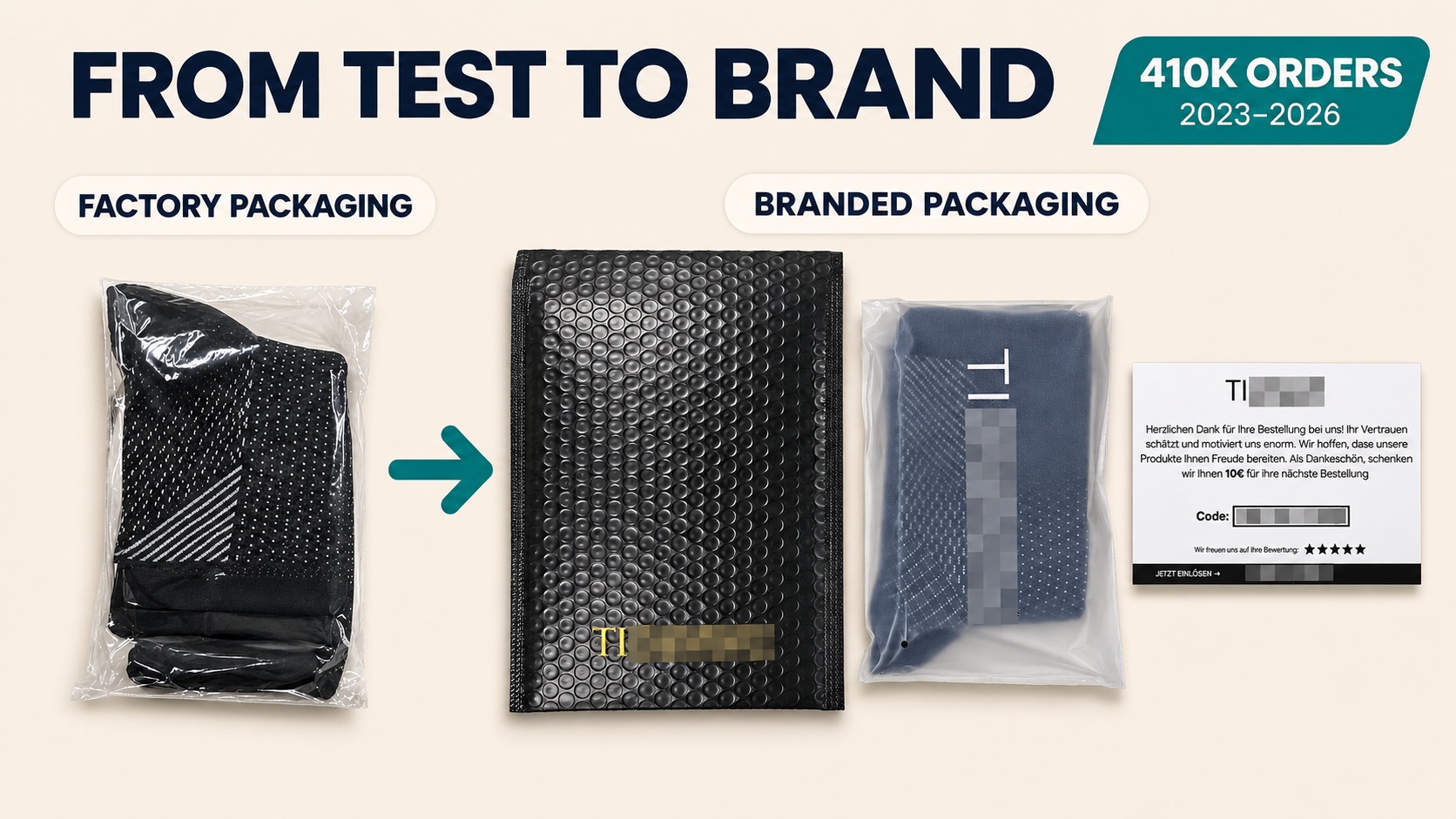
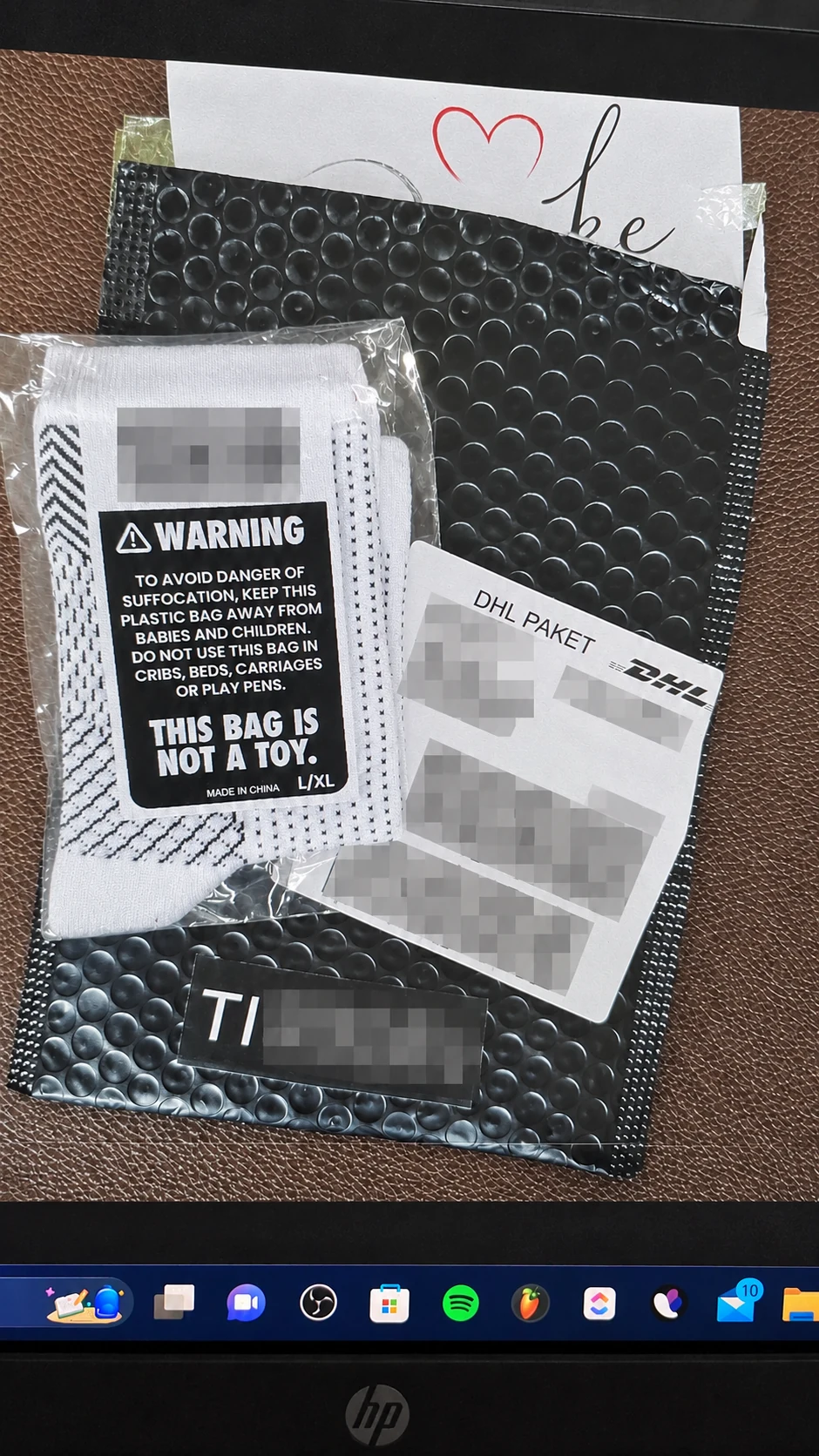
A German compression-sock business started with a practical test: an existing product, factory packaging and a delivery bag with a brand sticker. In 2023, PICKOSHIP helped upgrade the packaging and add the customer’s logo to the socks. The sock quality stayed the same. The project went on to complete 410,000 cumulative orders across 2023–2026.
Project results reported by PICKOSHIP
- Completed orders
- 410KCumulative, 2023–2026
- Sales volume
- ≈5×Previous level after the 2023 upgrade
- Average order value
- +15%Following the packaging upgrade
- Return rate
- −5 ppFive percentage points lower
Start with a product test, then improve what arrives
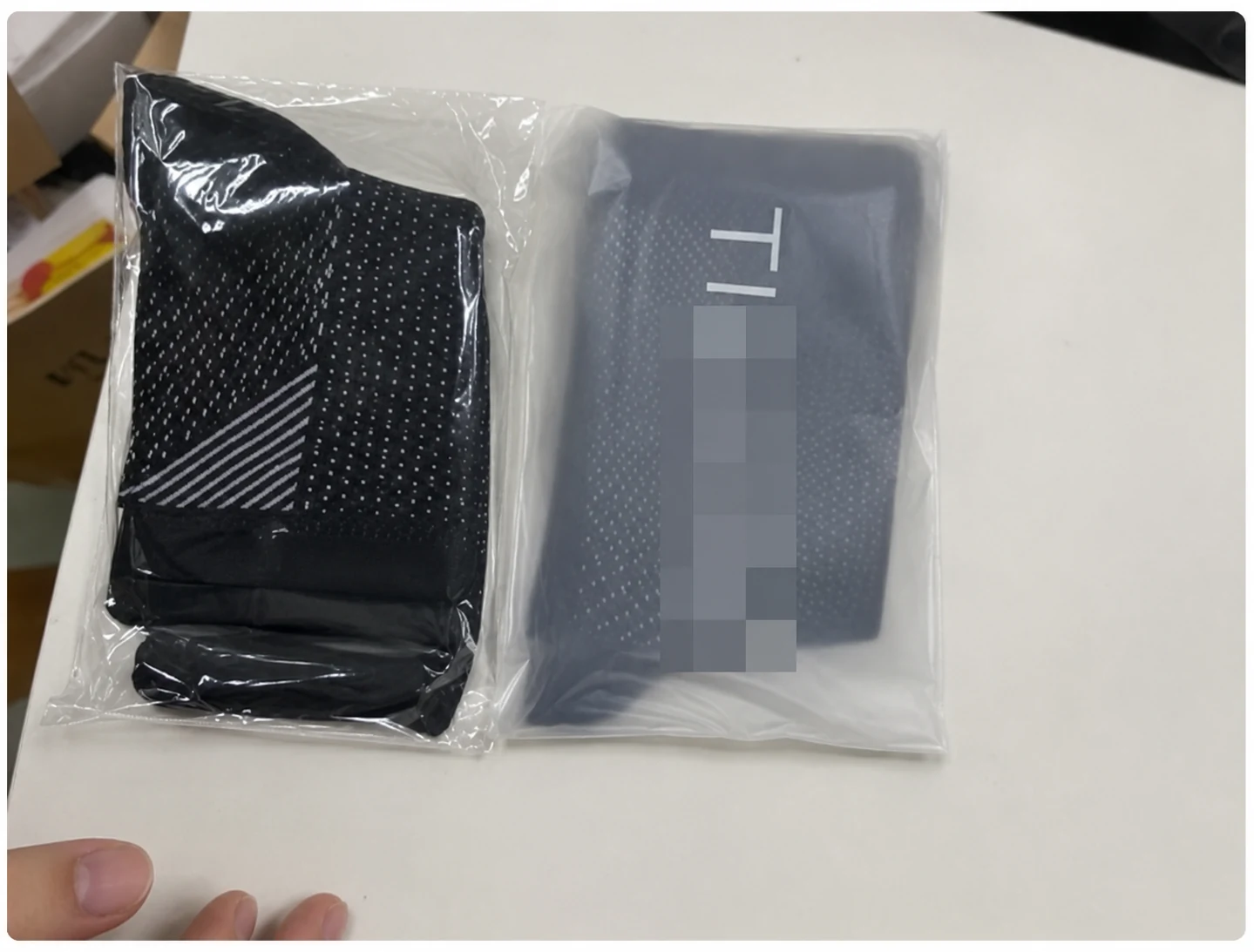
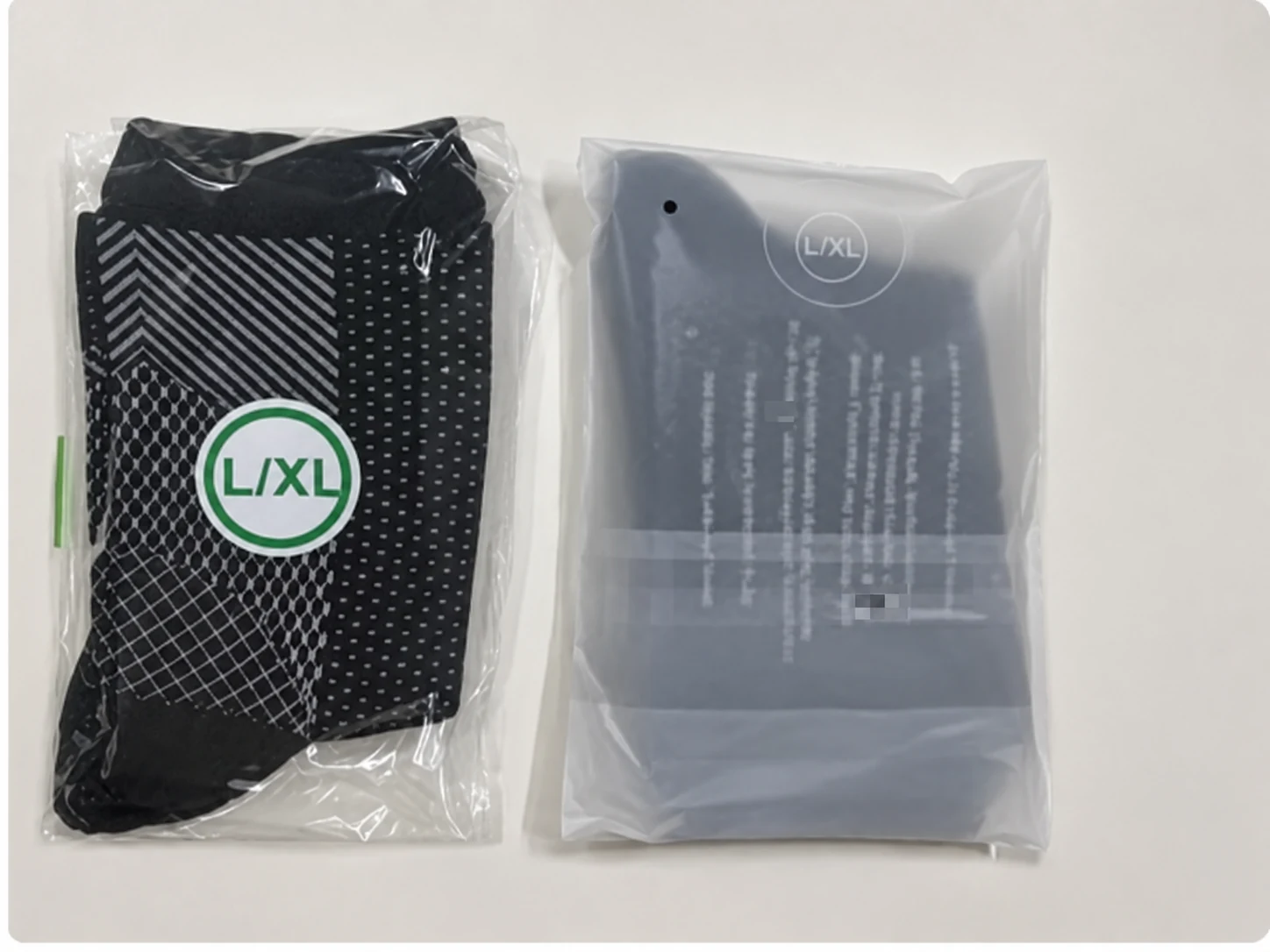
The early setup kept packaging simple: a stock bag around the socks and a sticker on the outer mailer. That gave the seller a starting point for testing demand before committing to a complete packaging set.
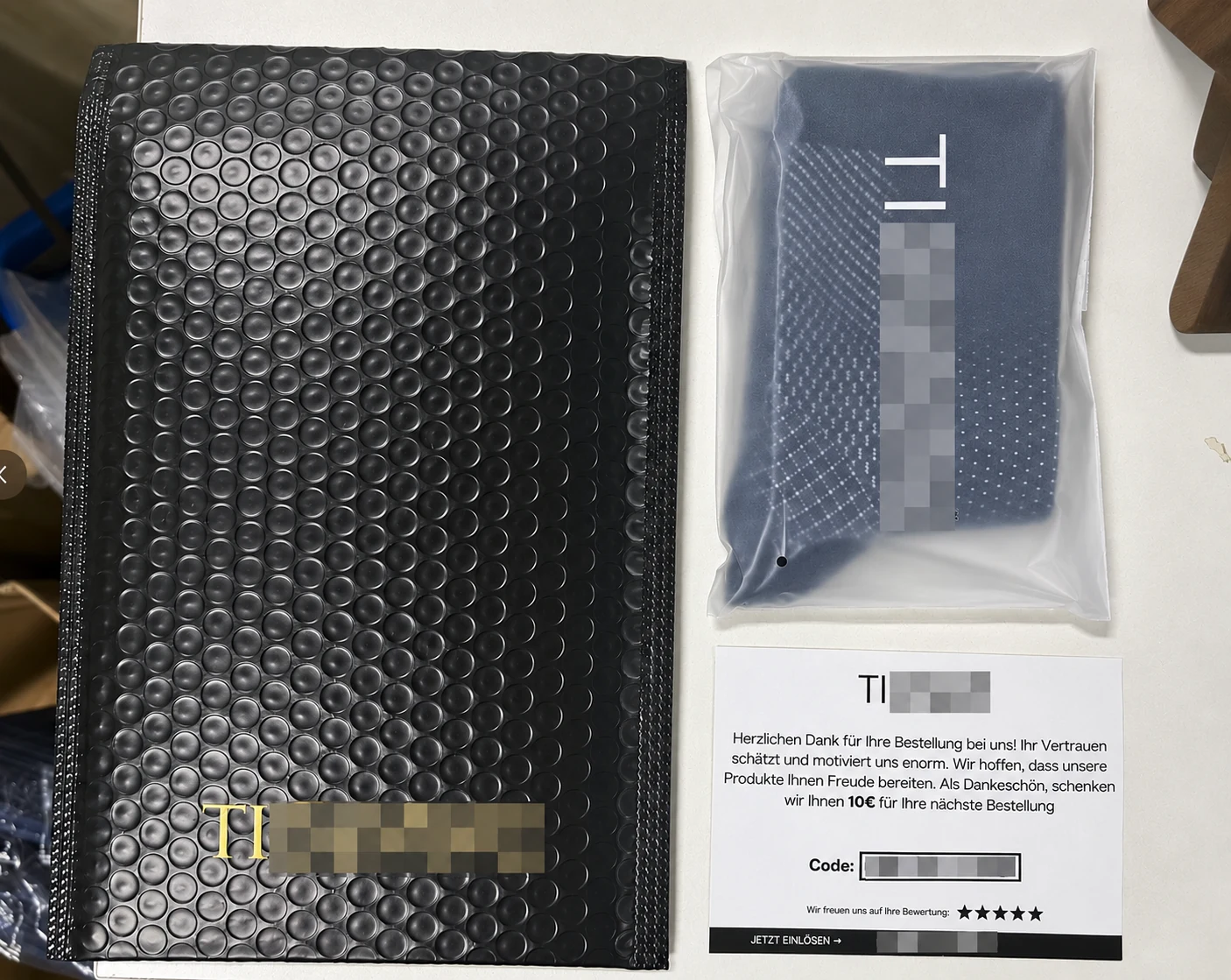
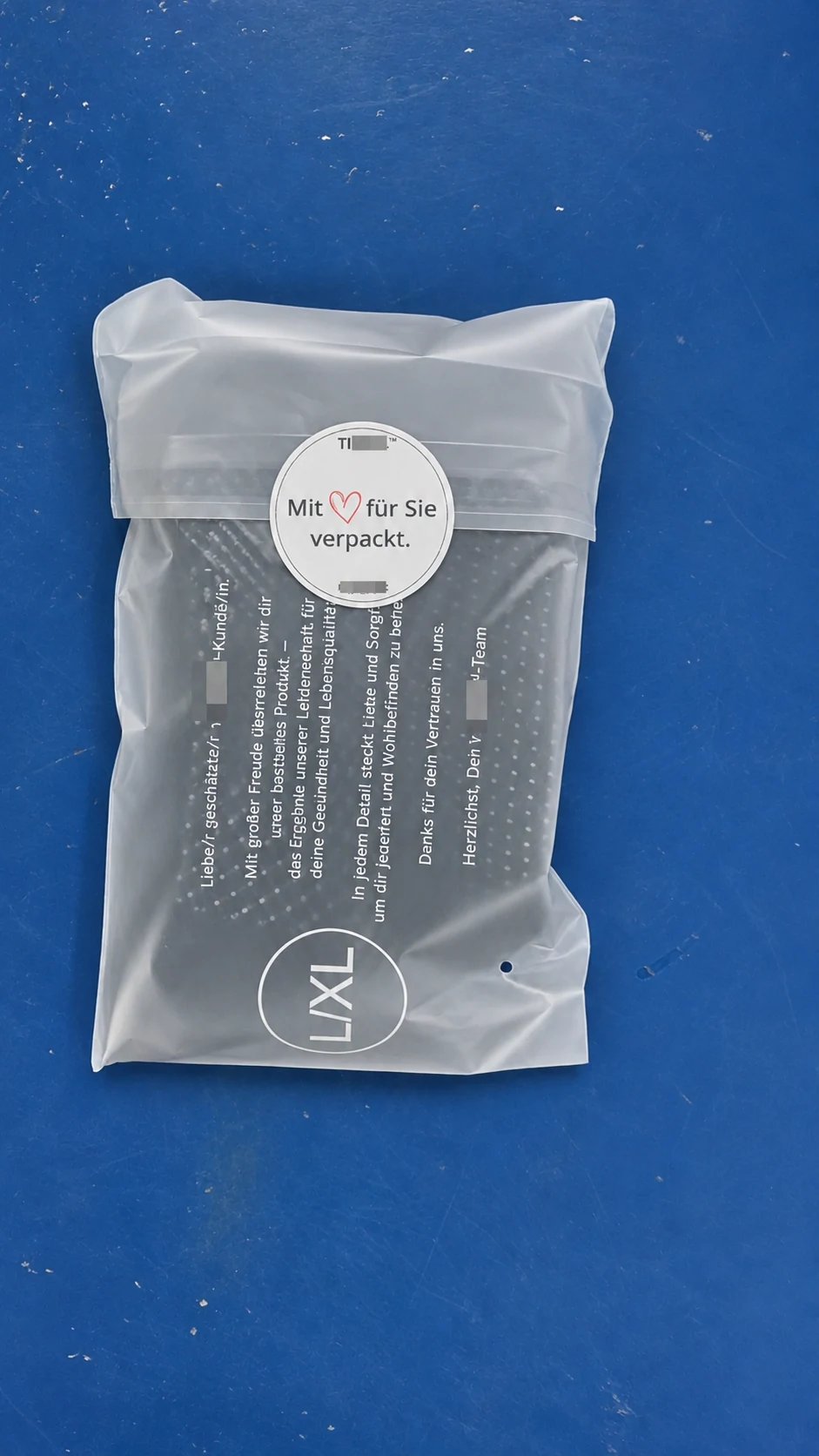
For the 2023 upgrade, PICKOSHIP helped turn that basic presentation into a coordinated branded order:
- Custom product bag: brand artwork, size information and a customer message, with a biodegradable bag material specified for the project.
- Seal sticker: a finishing detail on the bag closure.
- Delivery mailer and insert: coordinated branding and a German-language thank-you card.
- Logo on the socks: custom printing on the product itself, so the brand remained visible after the packaging was removed.
What another DTC seller can take from this case
You can build a more recognizable product experience before commissioning a proprietary design. Here, the upgrade focused on product branding and packaging while maintaining the sock quality. For a seller with a product already gaining orders, that is a concrete next step to assess.
As volume grows, the packaging brief also becomes a fulfillment brief: match the sock size, approved bag, insert and seal on each order. If you are considering a similar upgrade, PICKOSHIP can help coordinate packaging samples, logo application and the packing requirements for fulfillment from China. Start with one complete packed sample, then agree the specification and order quantities.
About these figures: PICKOSHIP supplied the project history and results. The 410,000 orders cover the full 2023–2026 project period; the other changes refer to the period following the 2023 upgrade. “−5 pp” means a reduction of five percentage points. This was not a controlled test isolating packaging from changes in traffic, advertising or other business activity.
Have a product that is already selling? Share its link, target market, order-volume range and the packaging you want to improve.
Plan my branded packaging01 / Product branding
Give the product a reason to belong to your brand
Start with one sentence: Who is this for, and what should work better for them? “An insulated bottle for commuters who carry it in a laptop bag” produces a more useful brief than “a premium bottle with our logo.” It makes leakage, grip, cleaning and everyday size relevant development questions.
Stock product
Order and assess an existing bottle. Test the offer and learn which complaints actually matter.
Brand specification
Agree a finish, verified material specification, packaging and instructions. Improve a component if the supplier can support it.
Proprietary design
Develop a distinct grip, silhouette or lid where research justifies it. Resolve tooling, testing and design rights before committing.
The bottle visuals illustrate development choices. They are not a customer case study or evidence that a design is exclusive or patentable.
A 1688 listing can be a starting point for any of these conversations. The sourcing channel tells you little about the final quality or ownership arrangements. Get the exact product, manufacturer and permitted customization confirmed.
02 / Product quality
Turn “better quality” into something you can inspect
Ask two factories for “premium quality” and you may receive two different interpretations. Give them the same specification and a written acceptance standard. Then keep an approved physical sample as the reference for production.
| Check | What to agree before production |
|---|---|
| Materials | Exact material specifications and the product-specific evidence required for the destination market. |
| Function | Leak, closure and cleaning checks. Define the method and pass/fail criteria; support any performance claim with appropriate testing. |
| Workmanship | Acceptable finish, edge quality, print placement and component fit, supported by photos of acceptable and unacceptable defects. |
| Repeat batches | Sample version, batch identification, inspection scope and written approval for material or component substitutions. |
For shoes, the checklist would change to size consistency, stitching, bonding and the relevant material and performance tests. For beauty products, formulation, stability, packaging compatibility and market requirements need their own review. A warehouse visual inspection cannot replace specialist laboratory testing.
Make the rejection process explicit: who holds the stock, who reviews the evidence, and whether the remedy is rework, replacement or another agreed resolution. Discovering a defect should lead to a decision before the parcel leaves.
03 / Design & private tooling
Know what is actually exclusive
A new color, a logo and a new mold are different projects. A supplier’s stock mold may be used for many customers. An exclusive supply agreement may restrict certain sales without giving you ownership of the design. A custom tool needs its own written ownership and use arrangements.
Before paying for custom molds or product development, get answers to four questions:
- What changes? List the dimensions, components, appearance or function, with a drawing and version number.
- Who controls the assets? Confirm the design files, tooling ownership, storage, permitted users and transfer arrangements.
- What does the quote buy? Separate development, samples, tooling, revisions and production minimums.
- What happens after approval? Define first-production acceptance, tool maintenance and approval of later changes.
Commission deeper design work when it solves a recurring customer problem or creates a useful distinction. Keep the first project focused enough to validate: a more practical lid can be a better brief than redesigning every part at once.
04 / Packaging design & quality
Custom Packaging for Dropshipping: Design, Quality and Protection
A render shows the intended look. A physical sample tells you whether the print is sharp, the insert fits and the opening feels right. A delivered sample tells you whether the packaging protects the product through your intended route.
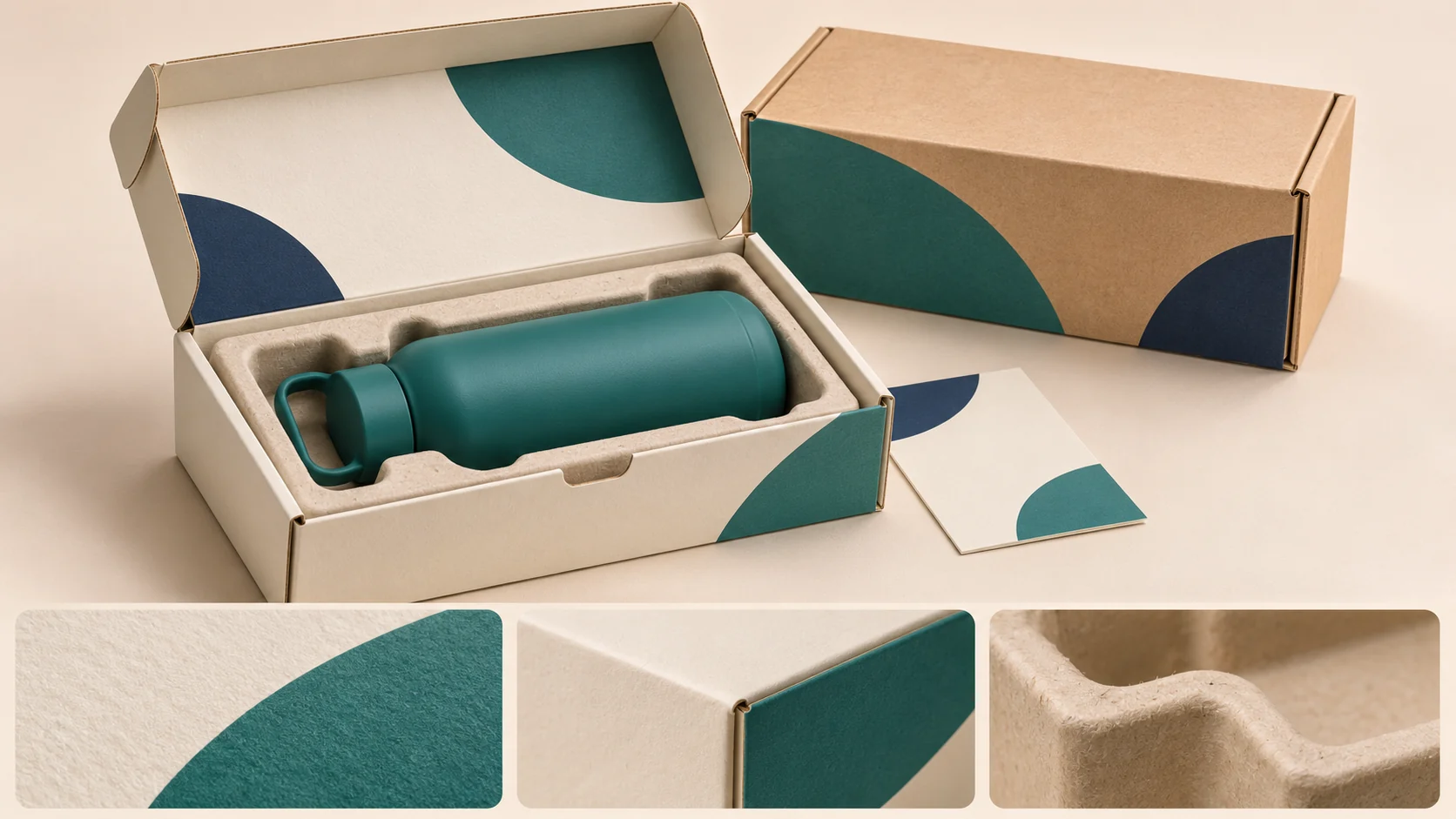
- Visual design: legible information, consistent color and type, and a clear hierarchy between brand, product and instructions.
- Materials and print: board or film specification, texture, print alignment, color tolerance and a finish that survives handling.
- Structure and protection: fit, movement inside the box, closure, leak protection where relevant, and an appropriate outer shipping pack.
- Opening and use: easy access, complete accessories and understandable instructions. Retain required labels and documents.
Approve a packed sample, including the actual product, before ordering packaging in volume. Record its packed dimensions for the shipping quote. An oversized box can add parcel cost without making the product more useful.
See PICKOSHIP’s private label packaging and fulfillment options for labels, inserts, retail boxes and kitting.
05 / Intellectual property
Protect the brand and design before launch
Make intellectual property part of the development brief. Three separate conversations are needed:
Trademark registration
Search your proposed name and logo in the relevant markets and goods or services before investing in print runs. A company name or domain registration does not give you a registered trademark. The USPTO trademark guide explains these distinctions and the owner’s responsibility for enforcement.
Design patents and registered designs
A distinctive product or packaging appearance may qualify for design protection. In the US, a design patent concerns ornamental appearance; functional inventions are a separate question. Ask a qualified professional about the applicable rights in each market.
WIPO explains that design rights are territorial and public disclosure can affect eligibility. Review filing plans before publishing the design in ads, crowdfunding or a trade-show display; grace periods differ.
Design files, tooling and permitted use
Have the agreement address ownership, confidentiality, authorized production, copying, subcontracting and return of tooling or files. Confirm who owns any pre-existing design, and document the rights to use packaging artwork and images. An invoice for a mold is not proof of a granted patent.
These measures provide a basis for protecting your investment. Their effect depends on valid rights, contract terms, territory and enforcement. Obtain market-specific advice on the actual product; also check that your own design and branding respect existing rights.
When should you move from dropshipping to a brand?
Use orders and customer feedback to choose the next commitment. A single strong advertising week gives you less information than repeat demand, stable quality and a clear reason customers keep or return the product.
Keep testing when…
Demand is uneven, defects remain unresolved or the audience is unclear. Compare samples, fix the recurring issue and use packaging quantities you can realistically consume.
Invest further when…
You can explain the improvement customers value, verify the product, fund the replenishment cycle and measure contribution after returns and acquisition costs.
Build a budget covering samples, testing, development, tooling, packaging minimums, inventory, freight and fulfillment. Avoid paying twice for services already included in a fulfillment quote. There is no universal order-volume threshold or guaranteed margin increase from adding a brand.
Carry the approved standard into every shipment
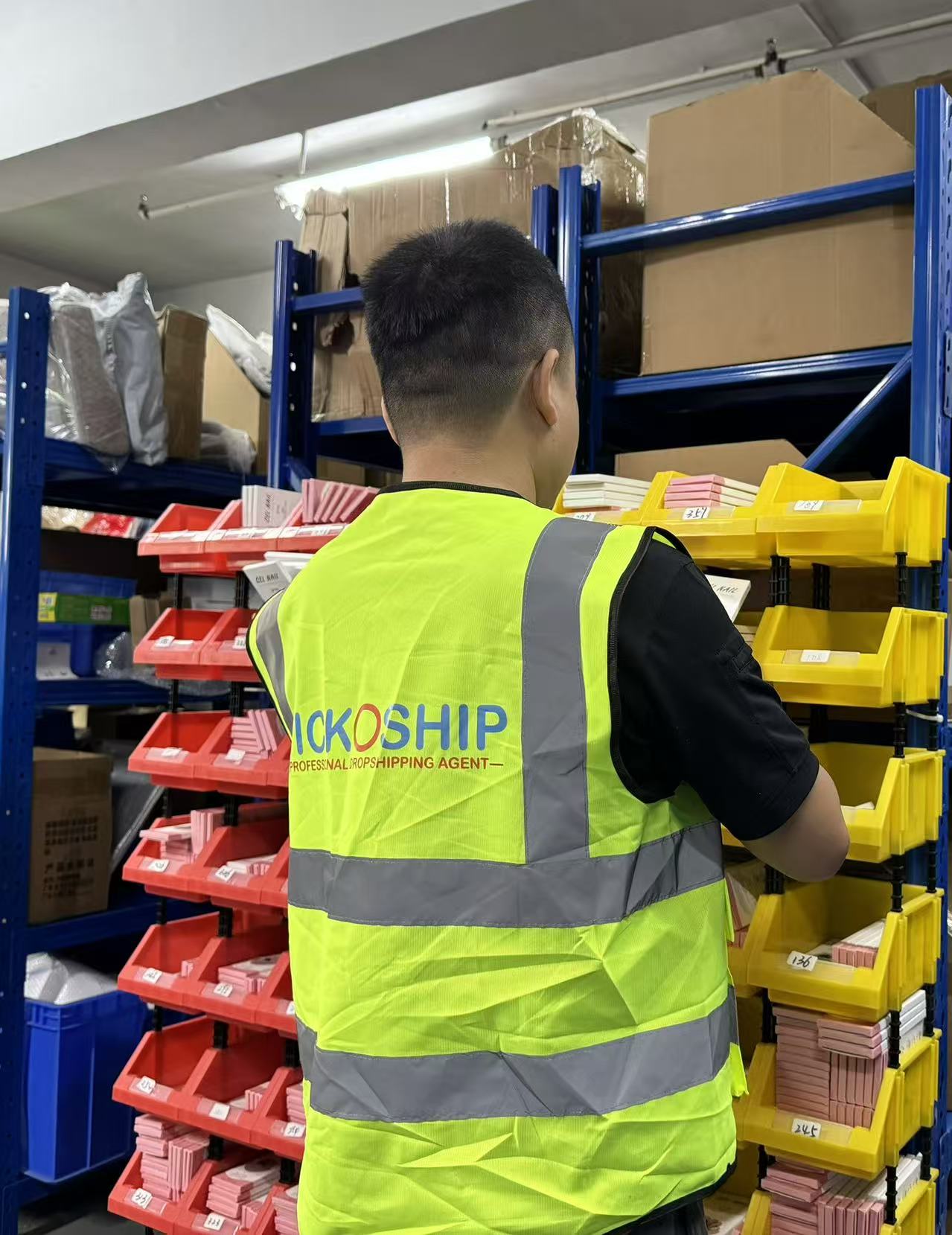
DTC brand fulfillment starts with getting the correct product version and packaging into every order. Give the warehouse a usable packing specification: SKU and version, required accessories, label position, insert language, package choice and what to do when any component is missing.
- 01Approve
Product, packaging and reference sample
- 02Receive & check
Match stock to the agreed specification
- 03Identify
Separate SKUs, batches and pack versions
- 04Sync orders
Match products and packing instructions
- 05Pick, check & pack
Verify the order and required materials
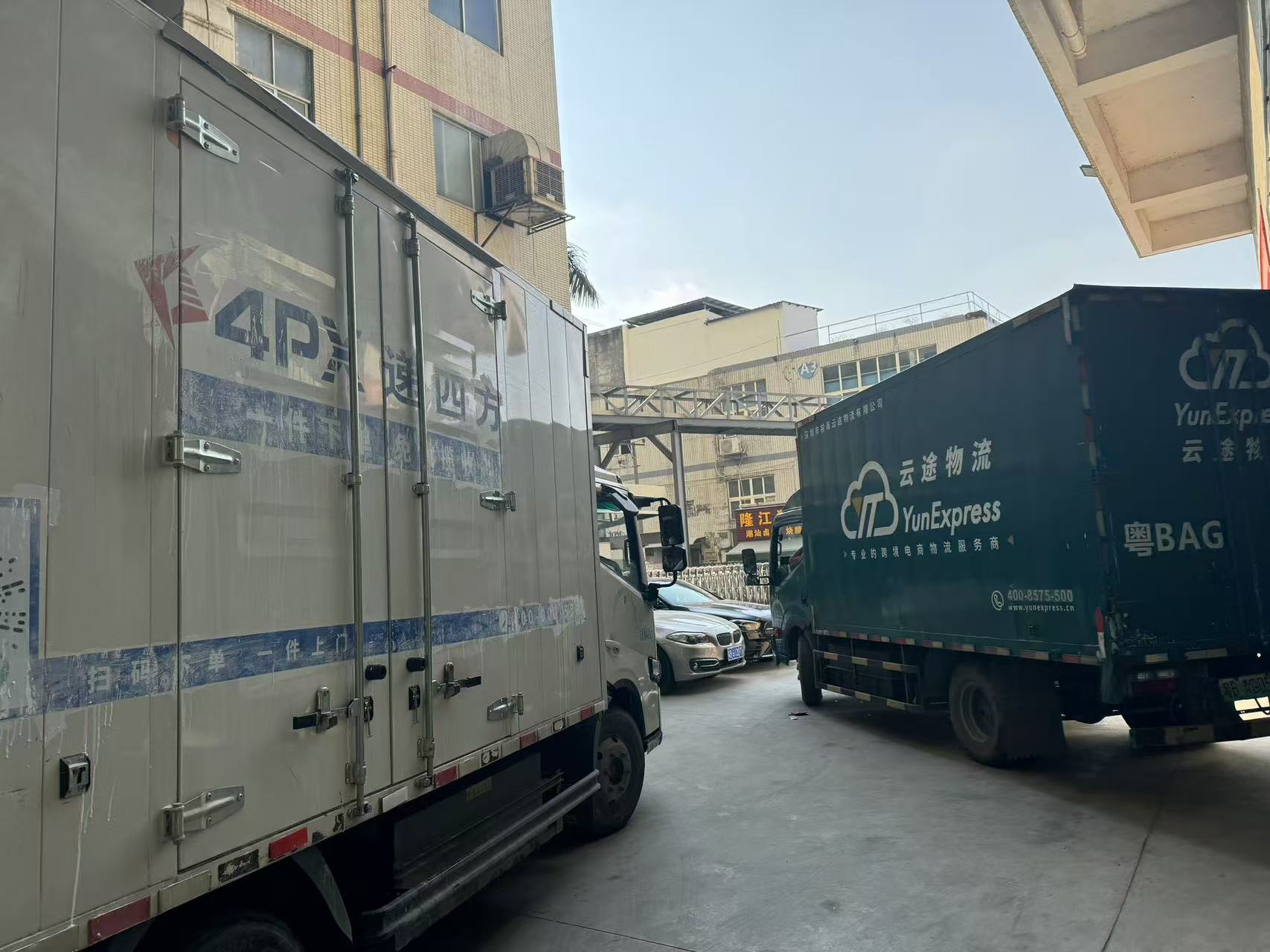
- 06Ship & follow up
Carrier handoff through customer delivery
Private Label Fulfillment from China with PICKOSHIP
PICKOSHIP coordinates private label fulfillment from China, including packaging, labels, inserts, kitting, agreed quality checks and order packing. Bring us your product and the changes you want to evaluate.
- Before production: review the customization scope, sample requirements, supplier minimums and the proposed quality checks.
- Before fulfillment: confirm how branded materials will be received, stored, counted and matched to orders.
- As you replenish: keep approved specifications and packing instructions available for the next batch.
Product-level OEM or ODM requests are reviewed individually. Engineering, tooling, compliance and intellectual-property requirements need a defined project scope. Use a qualified IP professional for registrations and legal clearance.
If you are still choosing an operating partner, our China dropshipping supplier comparison explains the different provider models.
Questions before starting a branded product
Can I build a DTC brand without a private mold?
Yes. You can start with an approved existing product, a useful specification, consistent quality and branded packaging. Custom tooling is an option when a specific design change justifies its cost and development work.
Can I build a brand with products sourced from 1688?
It can be a sourcing starting point. Confirm the actual manufacturer, sample quality, customization permissions and repeat-production arrangements. A marketplace listing alone does not establish exclusive rights to the product or its images.
Does branded dropshipping mean I need no inventory?
Not always. A supplier may fulfill stock products individually, while custom packaging, components or production require minimum quantities and upfront payments. Confirm who owns and finances each type of stock.
Your next product, clearly specified
Tell us what you want your product to become
Send the product link, first destination market, expected order range and the changes that matter to your customer. We can start a practical conversation about sourcing, packaging and fulfillment.
“We sell [product] to [customer] in [market]. We want to improve [quality / component / packaging]. Our expected volume is [range]. Please confirm feasible options, sample scope, minimum quantities and fulfillment arrangements.”
Or email info@pickoship.com. Share confidential design files after agreeing how they will be used.