On this page15 sections
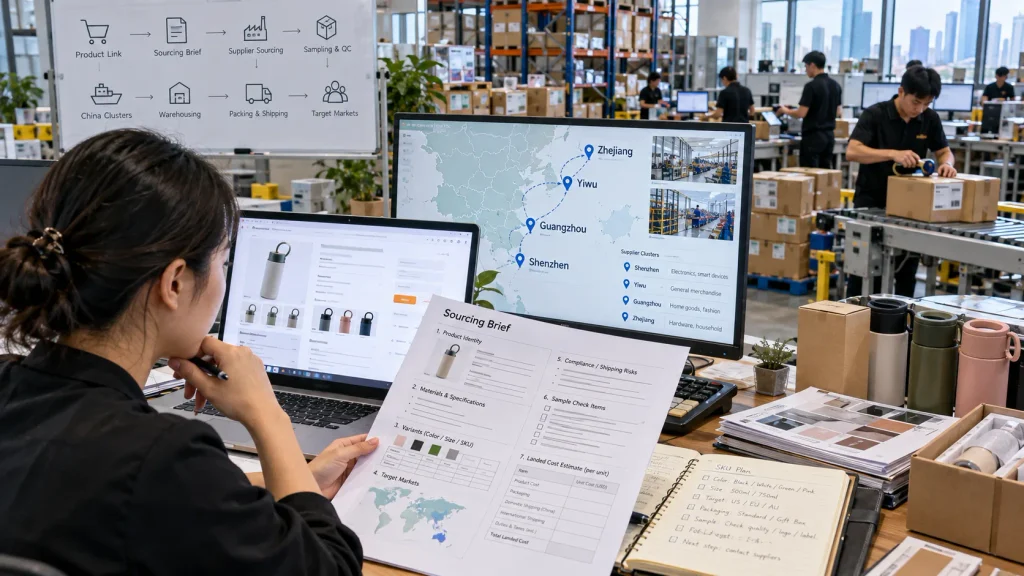
A product link is a starting clue, not a sourcing specification. It may show a polished photo and a retail description while hiding the information that determines which Chinese suppliers can make, inspect, customize, and ship the item reliably. A practical China dropshipping agent turns that link into a structured brief, then routes the brief to the industrial cluster, supplier type, and fulfillment path that fit the product. The result is a decision process that can be quoted, sampled, and scaled instead of a vague request to “find this.”
Why China Must Be Mapped by Industrial Cluster
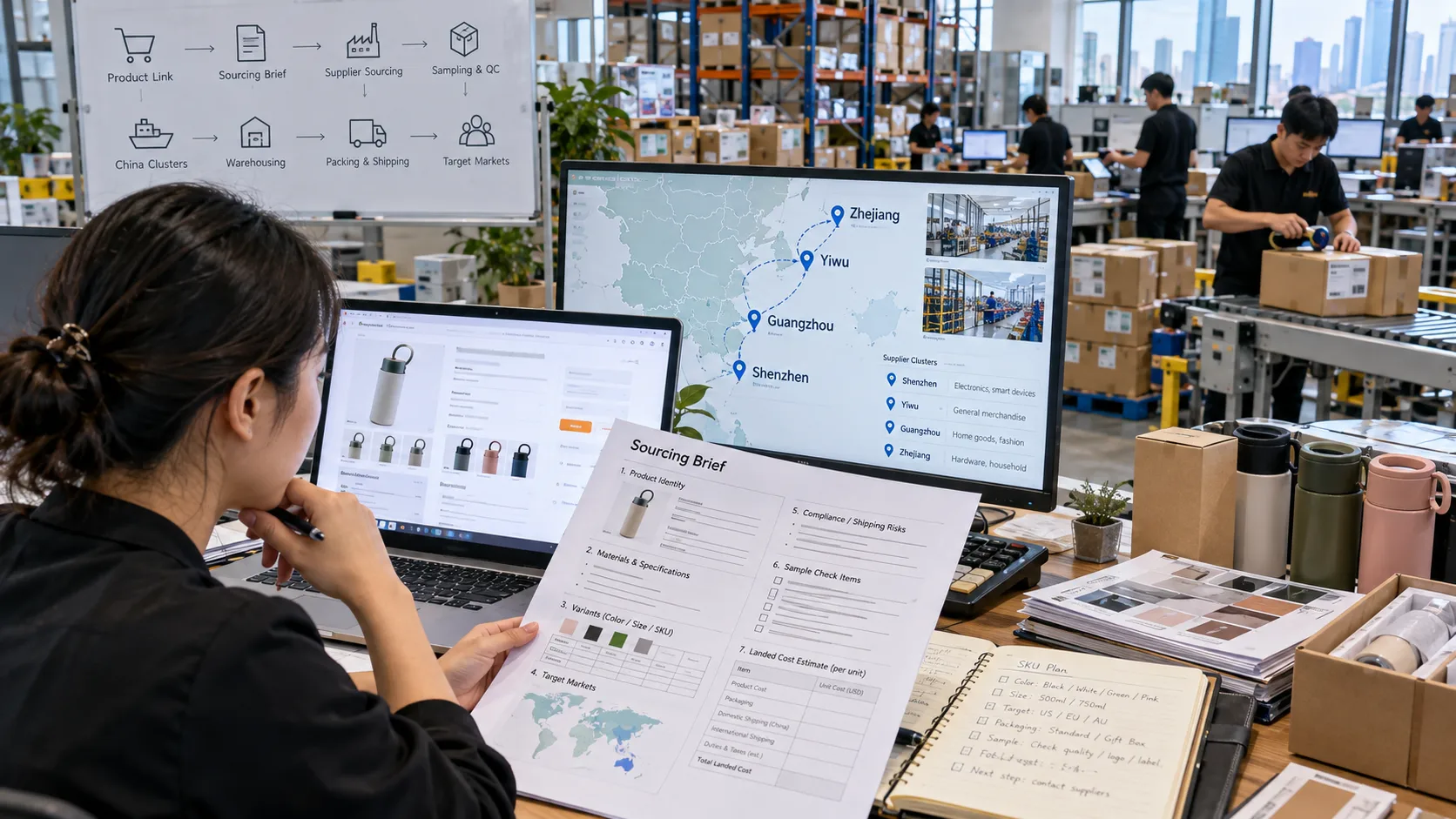
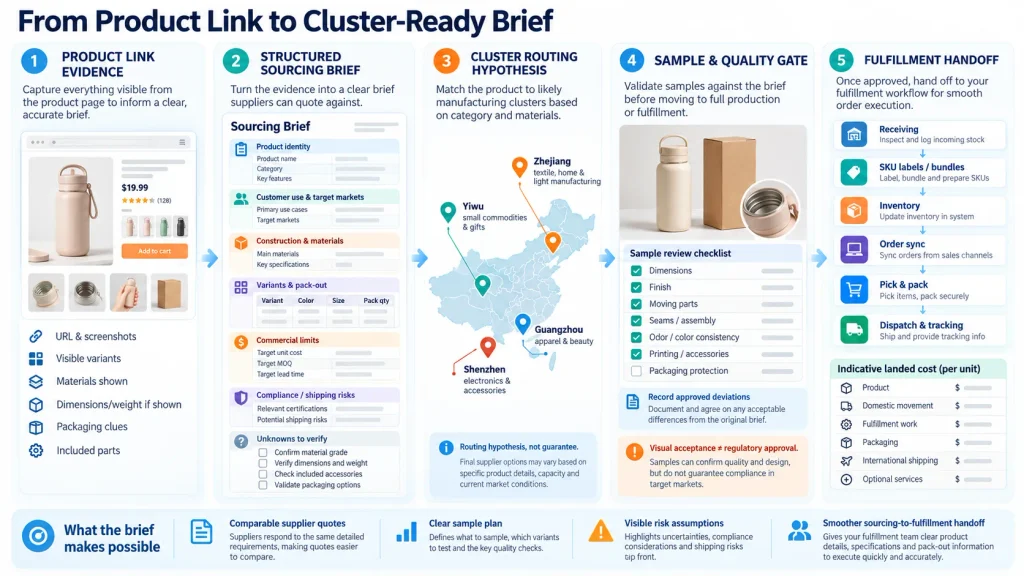
China is a network of specialized production ecosystems, not one interchangeable supplier pool. Shenzhen is a natural starting point for electronics and accessories; Yiwu is associated with small commodities, gifts, and broad variety; Guangzhou connects strongly with apparel and beauty supply chains; and Zhejiang contributes important textile, home, and light-manufacturing capacity. These are useful routing hypotheses, not guarantees. The right factory still depends on construction, materials, compliance, order profile, and the level of customization required.
Cluster mapping reduces wasted outreach. A supplier that is excellent at a simple textile accessory may be a poor fit for a battery product, a liquid formula, or a fragile item that needs reinforced packaging. A capable agent uses the product brief to decide where to search, which suppliers to compare, what sample to request, and which shipping channel must be checked before purchase.
Step 1: Convert the Link into a Product Identity
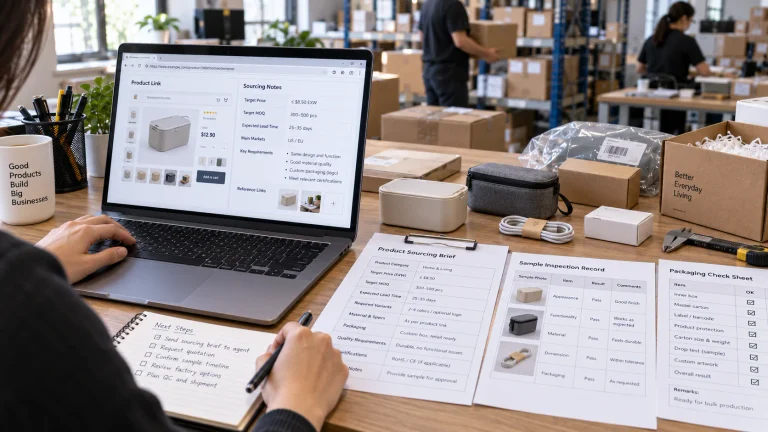
Start by separating what the link proves from what it merely suggests. Record the exact product name, visible variants, materials stated on the page, dimensions, weight if shown, packaging, and every included component. Save the original URL and product images so the agent can compare listings without losing the reference version.
Then write a one-sentence identity statement: “Source a [product] for [target customer] with [non-negotiable feature], shipped to [markets] at [expected order profile].” This sentence keeps a sourcing agent from returning visually similar products that fail the actual use case. If the link is incomplete, mark the missing field as open rather than allowing an assumption to become a hidden specification.
Step 2: Add the Constraints a Link Cannot Show
A workable brief makes constraints explicit. Include the following fields:
- Customer use and target market: explain where and how the item will be used, plus the countries where it will be sold.
- Construction and materials: identify the parts that affect durability, safety, feel, finish, or compatibility.
- Variants and pack-out: list colors, sizes, bundles, inserts, labels, and whether each variant needs its own SKU.
- Commercial limits: state target landed cost, acceptable sample cost, expected daily orders, and whether the first phase is single-piece testing or stocked fulfillment.
- Compliance and shipping risks: flag batteries, liquids, magnets, cosmetics, children’s products, food-contact materials, or unusual shapes before a quote is treated as final.
This is where the request becomes actionable. A sourcing team can now compare like with like, identify the fields that require a sample, and explain which assumptions affect price or delivery. PickoShip’s public sourcing workflow describes product hunting from links, images, or samples, followed by supplier screening, quotation comparison, sample confirmation, negotiation, and purchase follow-up.
Step 3: Route the Brief to the Right Cluster and Supplier Type
Use the product identity and constraints to create a short routing hypothesis. For consumer electronics, ask the agent to search Shenzhen electronics markets and relevant Guangdong manufacturers, while checking battery handling and destination-market requirements. For home and living products, compare Yiwu variety with Guangdong or Zhejiang factories when material consistency, molded parts, or larger replenishment quantities matter. For beauty, apparel, or gifts, the brief should distinguish tools from formulas, standard garments from private-label production, and novelty items from children’s products that may carry stricter requirements.
Do not ask for one “best supplier.” Ask for a small comparison set with a reason for inclusion. The brief should request supplier location, factory or trading-company status when knowable, comparable quotation terms, MOQ, sample timeline, customization limits, packaging options, and known risks. A useful agent owns the search logic and makes the trade-offs visible; the seller retains approval of the product, claims, and commercial commitment.
Step 4: Define the Sample and Quality Gate
A sample is not only a product check. It is a test of the specification. Tell the agent exactly what must be inspected: dimensions, finish, moving parts, seams, odor, color consistency, printing, included accessories, packaging protection, and the features that matter in customer use. Ask for dated photos or video against the brief, and record any approved deviation before placing a purchase order.
Separate visual acceptance from regulated claims. A clean sample does not prove that a battery, cosmetic, children’s item, or electronic product is compliant in every destination. Those categories require a market-specific review and an eligible shipping channel. The brief should therefore include a “must verify before launch” section, rather than treating a supplier listing as evidence.
Step 5: Carry the Brief Through Fulfillment
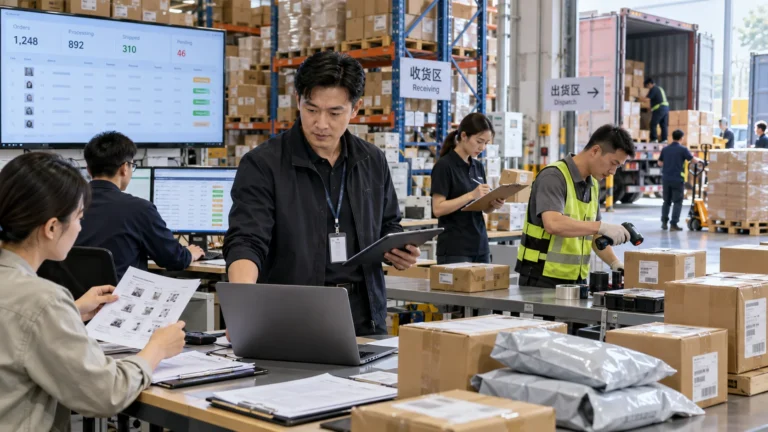
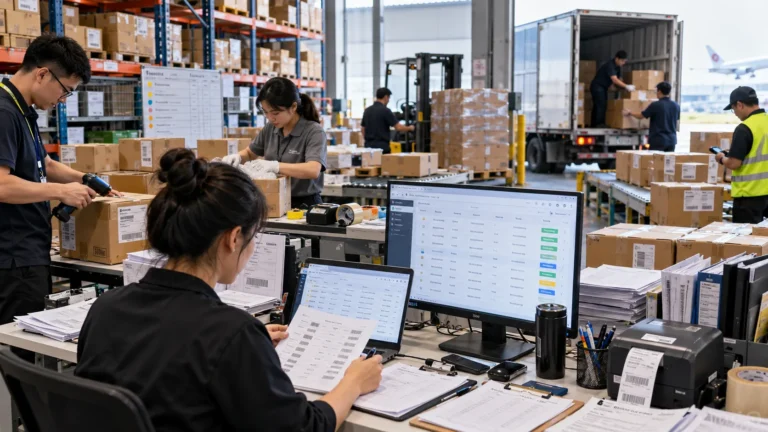
Sourcing and delivery should be designed as one handoff. State how stock will arrive at the warehouse, how SKUs and bundles should be labeled, what inspection happens at receiving, and how orders will flow from the store. PickoShip presents a self-operated Shenzhen fulfillment model covering receiving, quantity verification, inventory management, order synchronization, pick and pack, dispatch, and tracking upload. That continuity matters because the supplier selected for price may not be the supplier or packing configuration that works for one-piece dropshipping.
Ask for a landed-cost view that separates product cost, domestic movement, fulfillment work, packaging, international shipping, and optional services. Also specify the destination, delivery expectation, parcel limits, and whether the product needs an express, economy, or sensitive-goods route. Costs and transit times remain conditional until the product attributes and route are confirmed.
A Reusable Product-Link Brief
A concise brief can use this order:
- Reference: URL, screenshots, and the exact version to match.
- Product: use case, materials, dimensions, weight, variants, and included parts.
- Branding: logo method, colors, packaging, inserts, and private-label requirements.
- Orders: test quantity, forecast range, bundle logic, and replenishment plan.
- Markets: destination countries, customer promise, and prohibited or sensitive attributes.
- Decision gates: quotation comparison, sample inspection, compliance review, landed-cost approval, and fulfillment test.
- Questions: list every unknown that the agent must answer rather than infer.
Sending this structure with a product link shortens the path from browsing to execution. It also creates a written boundary: what the agent owns is research, comparison, coordination, inspection, and operational follow-through; what the brand owns is approval of specifications, claims, budgets, and market decisions.
How PickoShip Fits the Workflow
For sellers who need one operational owner, PickoShip’s product sourcing resources explain the research and supplier-selection context, while its China fulfillment center for DTC brands connects approved sourcing decisions to warehouse execution. The resources hub also groups guidance for sourcing, fulfillment, and cross-border operations. These services do not remove the need for a clear brief; they make a clear brief more valuable because the same information can travel from search to sample to shipment.
Before launch, confirm the exact scope in writing: which supplier conversations are covered, what inspection is included, how defects are handled, how packaging is approved, and how shipping exceptions are escalated. For a quote or fit check, request a landed-cost estimate with the product link, destination countries, expected daily orders, and any material or compliance constraints.
Conclusion
China sourcing becomes more predictable when a product link is treated as evidence to structure, not an instruction to copy. A strong dropshipping agent maps the product’s construction, risk, order profile, and delivery promise to the clusters and suppliers most likely to satisfy them. The seller then receives comparable options, a testable sample plan, a quality gate, and a fulfillment handoff that can survive the move from first order to repeat volume.
If you are preparing a request, send the original link, target markets, expected order range, required variants, packaging goals, and every known constraint. PickoShip can use that information to scope sourcing and fulfillment questions before a commitment is made.
FAQs
Can a dropshipping agent source from more than one Chinese cluster?
Yes. A product family may require different regions for components, finishing, packaging, or printing. The brief should state whether consolidation is acceptable and how it affects cost and control.
What if the product link does not show dimensions or materials?
Mark those fields as unknown and ask for supplier confirmation or a sample. Do not let a visually similar listing become the assumed specification.
Should I request one supplier or several?
Request a focused comparison set. Multiple quotes are useful only when each supplier is evaluated against the same brief and the reasons for selection are documented.
When should fulfillment requirements enter the sourcing request?
At the beginning. Parcel size, battery or liquid content, bundle logic, packaging, and destination markets can change the viable supplier and shipping route.
What should I send for a first quote?
Send the link, screenshots, target market, variants, estimated daily orders, packaging needs, target landed cost, and any safety or compliance concerns.
Need numbers for your route?
Turn the research into a fulfillment plan.
Share your products, target markets, monthly order volume, and delivery target. We will identify which sourcing, inventory, and fulfillment questions need a verified quote.
No commitment. Route availability, pricing, and delivery times are confirmed in a written quote.